Drill Pipe Tracking and Lifecycle
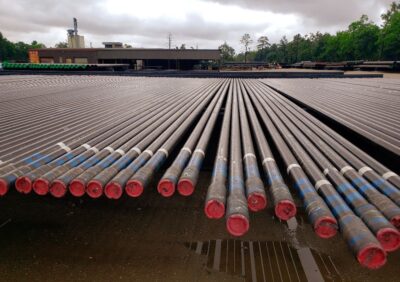
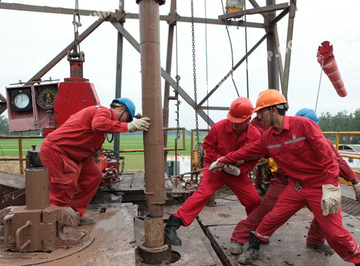
Each drill pipe joint needs a durable identity that remains connected to its operating, inspection, maintenance, and repair history as it moves between yards, rigs, and service facilities. Manual records and visible markings can become difficult to reconcile after repeated handling, coating, and repair.
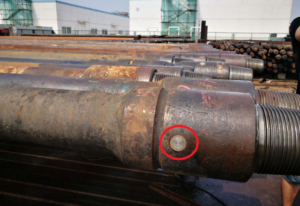
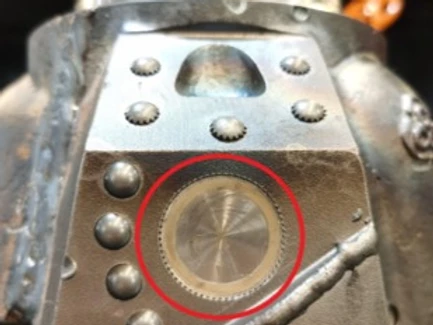
An embedded RFID identifier can support this lifecycle, but installing a tag in a drill pipe or tool joint is an engineering decision, not simply a mounting choice. The tag position, machining method, connection integrity, hardbanding heat exposure, downhole conditions, and intended read point must be evaluated together.
A drill pipe tracking workflow can support:
- Yard and inventory control: Identify individual joints during receiving, storage, inspection, and dispatch.
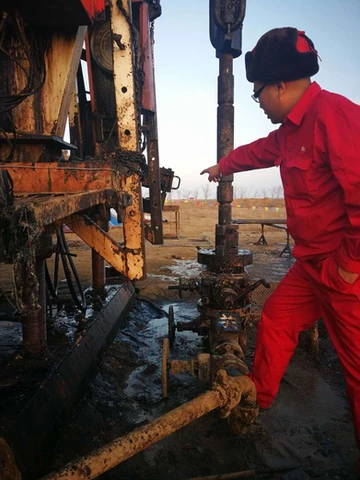
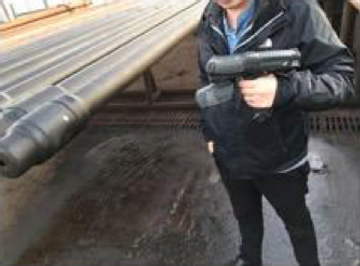
- Pipe tallying: Record pipes tripping in and out of the well at a controlled read point when the rig process and reader position support it.
- Inspection and repair: Retrieve the correct asset record and add inspection, maintenance, or repair events.
- Lifecycle decisions: Connect recorded operating and inspection data to each pipe’s identity to support return-to-service, repair, or rejection decisions.
The RFID tag provides the pipe’s identity. It does not directly measure fatigue, wear, temperature, or pressure. These values come from operating, inspection, or asset management systems connected to the tag ID.
Planning a drill pipe tracking project? Start with the Oil & Gas RFID Test Pack to compare tag formats, attachment methods, and read performance on representative assets. And ask Xerafy’s engineers to review the asset geometry, operating conditions, installation constraints, and required read points.
Downhole Tools and Drill Bits
Downhole tools and drill bits are difficult to identify throughout their lifecycle because mounting space is limited and the assets may be exposed to impact, abrasion, fluids, pressure, and temperature. Visible markings can also become difficult to read after repeated use, inspection, and repair.
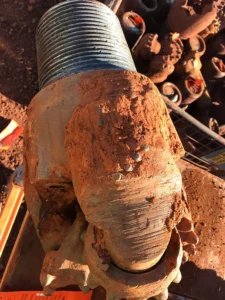
An embedded RFID identifier can connect each tool to its manufacturing, inventory, operating, inspection, and repair records. Reads normally take place at defined surface checkpoints before or after use, rather than continuously while the tool is operating downhole.
A drilling-tool tracking workflow can support:
- Manufacturing traceability: Assign a unique identity during production and connect it to specifications, quality records, and ownership.
- Inventory and dispatch: Verify individual tools as they move between storage, the rig, customers, and service facilities.
- Inspection and repair: Retrieve the correct service record and record inspections, repairs, or component changes.
- Lifecycle management: Use recorded operating and inspection data to support maintenance, reuse, or replacement decisions.
The RFID tag identifies the tool. It does not directly measure wear, fatigue, pressure, temperature, or operating hours. This information must come from inspections, operating systems, or other data sources connected to the tag ID.
Developing an OEM or large-scale drilling-tool program? Start with the Oil & Gas RFID Test Pack to compare tag formats, attachment methods, and read performance on representative assets. And ask Xerafy’s engineers about application feasibility, installation constraints, and qualification requirements.
Oilfield Casing and Tubing (OCTG)
OCTG traceability starts at manufacturing and continues through storage, transport, installation, inspection, repair, and reuse. Each casing or tubing joint needs a persistent identity connected to its grade, specifications, test results, certifications, ownership, and service history.
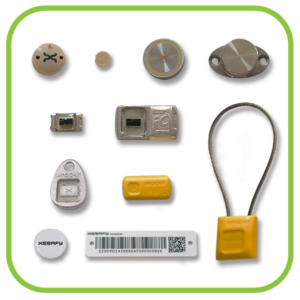
The right RFID installation depends on the tubular geometry and operating lifecycle. For selected workover and well-completion tubing applications, the Xerafy XS Wedge can be embedded directly into the steel to protect the identifier from external impact and abrasion.
An OCTG tracking workflow can support:
- Manufacturing traceability: Connect each tubular joint to its heat, grade, specifications, quality records, and certification documents.
- Yard and inventory control: Identify individual joints during receiving, storage, picking, and dispatch.
- Installation and handover: Verify the correct tubular at defined process checkpoints and connect it to the appropriate well, string, or customer record.
- Inspection and reuse: Retrieve inspection, pressure-test, repair, and service records before returning a joint to operation.
The RFID tag provides the joint’s identity. Wear measurements, pressure-test results, certifications, and operating history are recorded in the connected inspection or asset management system.
Evaluating RFID for an OCTG or well-completion application? Start with the Oil & Gas RFID Test Pack to compare tag formats, attachment methods, and read performance on representative assets. And ask Xerafy’s engineers to review the assets’ geometry, installation method, operating exposure, and intended read workflow.
Rigging and Lifting Equipment
Rigging and lifting fleets include shackles, slings, hooks, chains, hoists, lifting beams, and fall-protection equipment. Each item needs a durable identity connected to its inspection status, certificates, maintenance history, ownership, and current availability as it moves between depots, worksites, and users.
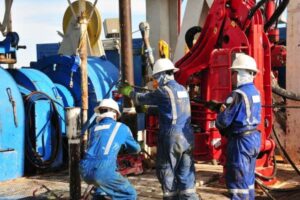
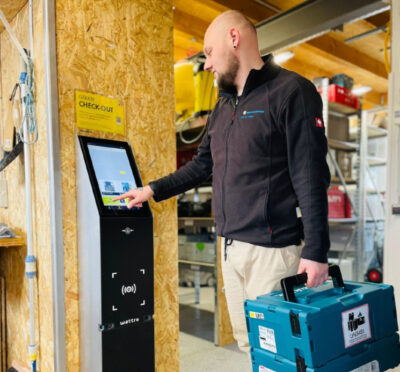
With RFID, a technician can identify the asset, open the correct record on a mobile device, complete the inspection, and update its status without manually entering an asset number. The resulting workflow can support:
- Equipment issue and return: Record which assets leave or return to a depot, tool crib, vessel, or worksite.
- Field inspections: Retrieve the correct inspection checklist, history, and documentation for each item.
- Certification status: Connect the asset to current certificates and flag items that are due, expired, quarantined, or approved for service.
- Inventory and availability: Verify which equipment is present and ready for use at defined scan points.
- Repair and replacement: Maintain an auditable record of inspections, repairs, retirement, and replacement.
The tagging configuration should match the asset and attachment constraints, for instance:
Evaluating RFID for rigging and lifting equipment? Start with the Oil & Gas RFID Test Pack to compare tag formats, attachment methods, and read performance on representative assets. And ask Xerafy’s engineers to review the assets’ geometry, installation method, operating exposure, and intended read workflow.
Valve and Flow Iron Inspection Tracking
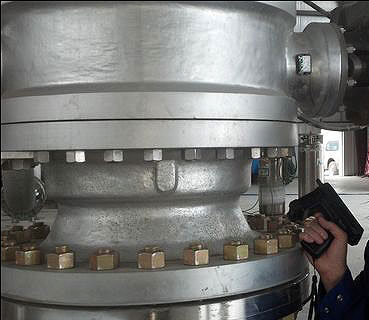
Valves and flow iron are fixed or mobile assets distributed across well sites, processing facilities, yards, and service locations. The operational challenge is identifying the exact component at the point of work and retrieving its installation, inspection, testing, greasing, maintenance, and repair history.
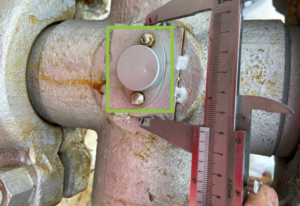
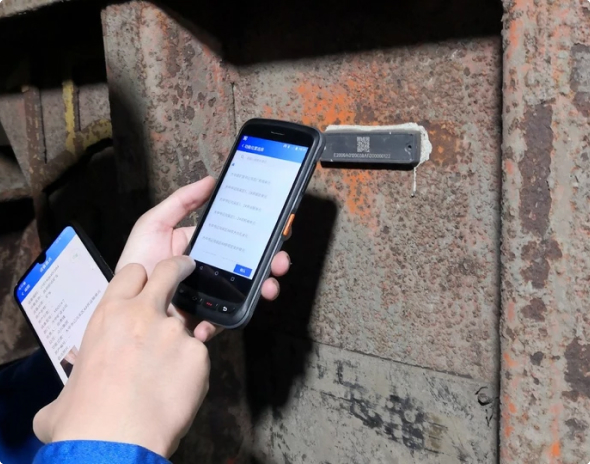
RFID allows a field technician to scan the component with a handheld reader or mobile device, open the correct asset record, and record the completed work. Unlike sensor-based monitoring, passive RFID identifies the component at defined inspection and service checkpoints; it does not continuously monitor pressure, flow, corrosion, leakage, or valve condition.
A valve and flow iron inspection workflow can support:
- Field identification: Confirm the identity and location of each component during an inspection or service visit.
- Inspection and servicing: Retrieve the correct history and record completed inspections, greasing, testing, maintenance, or repairs.
- Maintenance status: Identify components that are due, overdue, quarantined, or approved for return to service.
- Technical documentation: Connect each component to specifications, drawings, inspection reports, test results, and certificates.
- Asset handover: Maintain the identity and service record as equipment moves between manufacturers, EPCs, operators, rental fleets, and service providers.
The tagging configuration should match the component, attachment constraints, and required read workflow, for instance:
- MICRO Industrial provides a compact on-metal option for valve bodies where an application-qualified adhesive installation is suitable.
- DURAZIP provides a cable-mounted UHF option where drilling, welding, or permanent modification is unsuitable.
- DATABAND2 NFC provides combined UHF and NFC identification for flow iron, hoses, and cylindrical equipment when both longer-range RFID reads and close-range mobile access are required.
The RFID tag provides the component’s identity. Inspection findings, pressure-test results, maintenance actions, and return-to-service decisions are recorded in the connected inspection or asset management system.
For hazardous locations, confirm the certification status of the exact tag, reader, and installed configuration required by the project.
Evaluating RFID for valves or flow iron? Start with the Oil & Gas RFID Test Pack to compare tag formats, attachment methods, and read performance on representative assets. And ask Xerafy’s engineers to review the assets’ geometry, installation method, operating exposure, and intended read workflow.